TRAINING MANUALS
This collection brings together training manuals, instructional sheets, diagrams and practical guides contributed by people with experience of traditional sailing ships. From seamanship and rigging to the specialist skills required to maintain and work these vessels, these resources help preserve knowledge that might otherwise be lost.
Created to teach, guide and pass skills on to others, each contribution forms part of a growing body of maritime knowledge connected to the 1978 Bounty and the wider tradition of tall ships.
The collection grows as new material is contributed and verified.
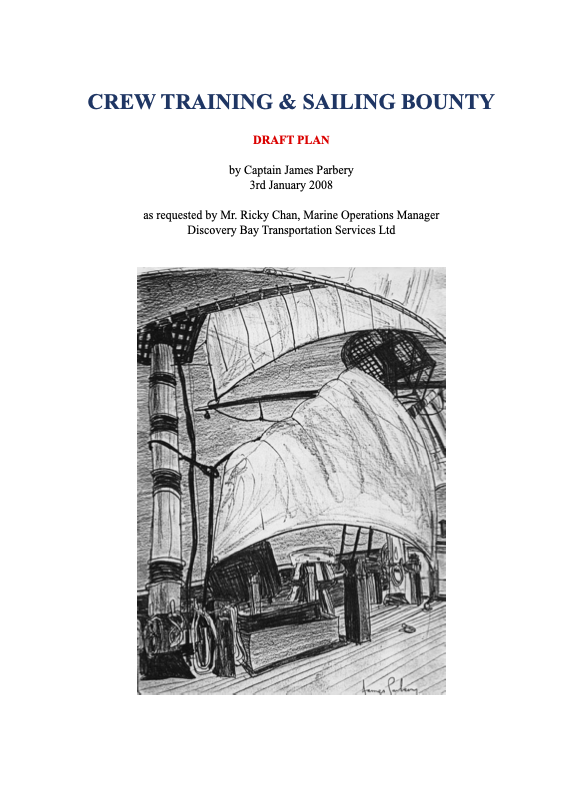
James Parbery — A Working Manual for Traditional Seamanship
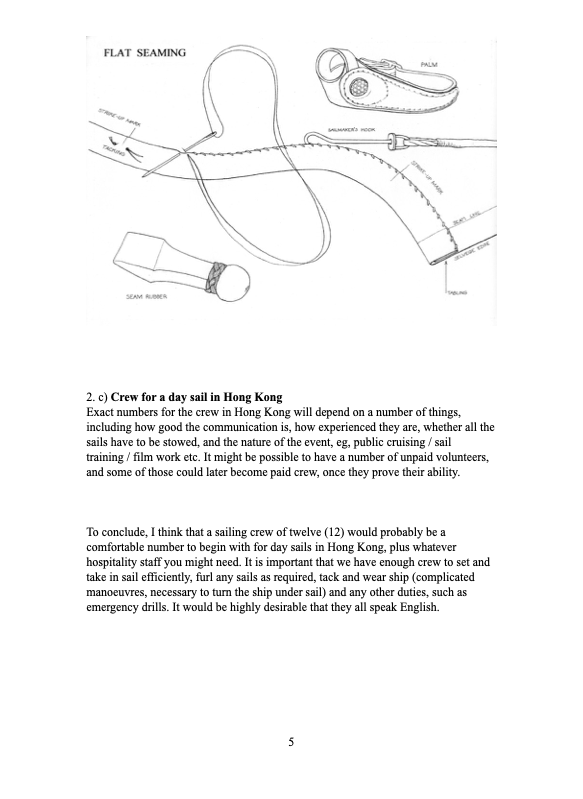
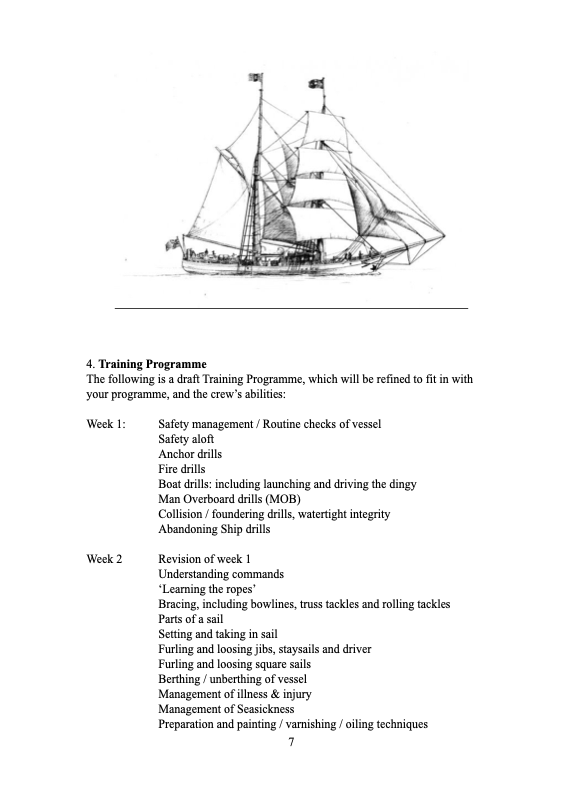
This manual brings together practical guidance, technical drawings and working knowledge for sailing and handling a traditionally rigged vessel. Covering sail handling, crew training, shipboard procedures and the demands of working under sail, it offers a glimpse into the skills, discipline and shared understanding required aboard a tall ship.
Prepared by James Parbery, it reflects the importance of passing maritime knowledge from one generation of sailors to the next — not simply as written instruction, but as a craft learned through understanding, practice and experience.
Preserved in the 1978 Bounty Living Library, this manual is part of the knowledge that helps keep the traditions of tall-ship sailing alive.
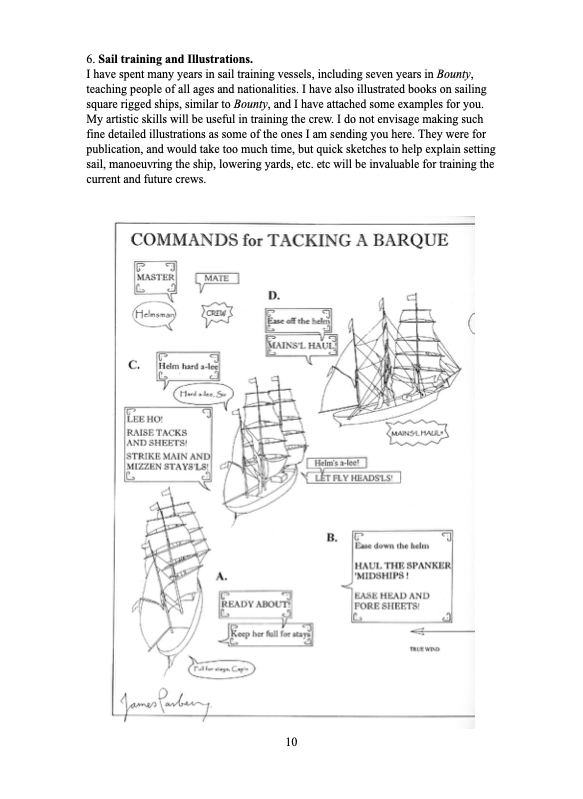
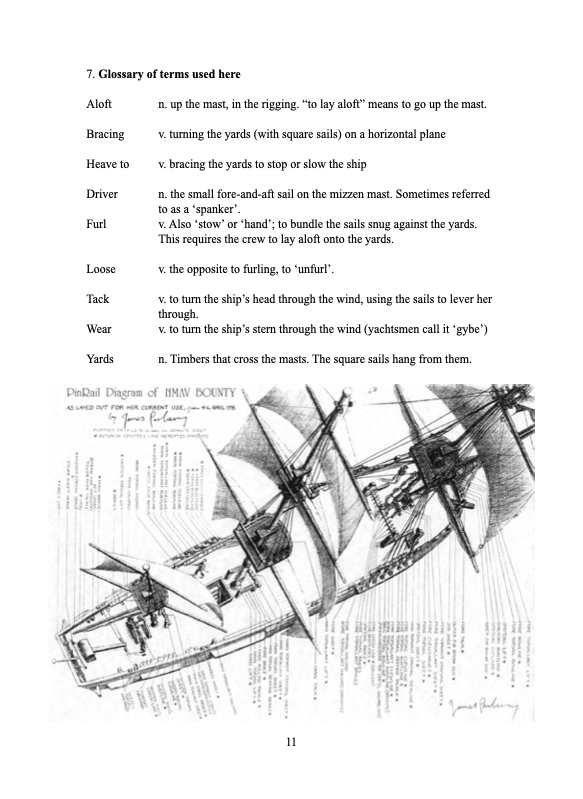
Learning the Ropes — James Parbery
Traditional seamanship carries a language, a history and a body of knowledge passed from one generation of sailors to the next.
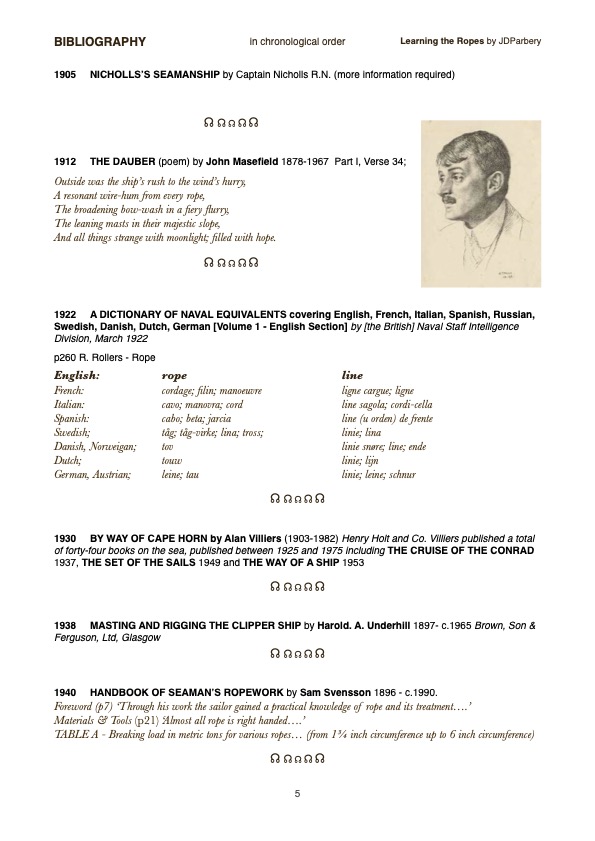
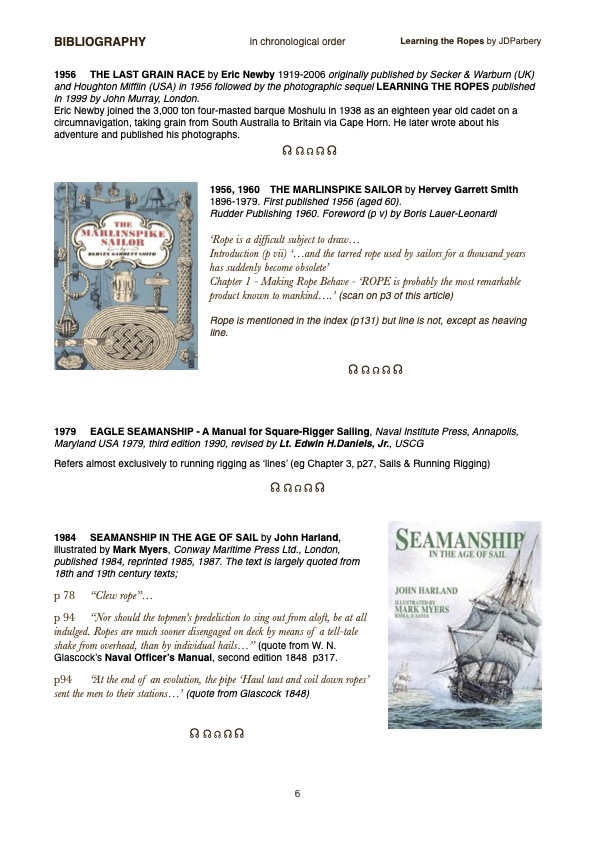
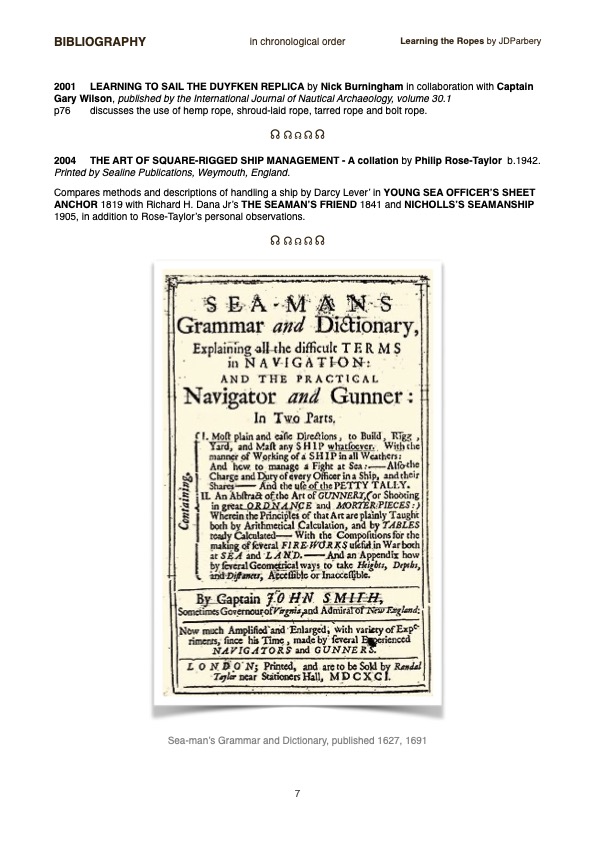
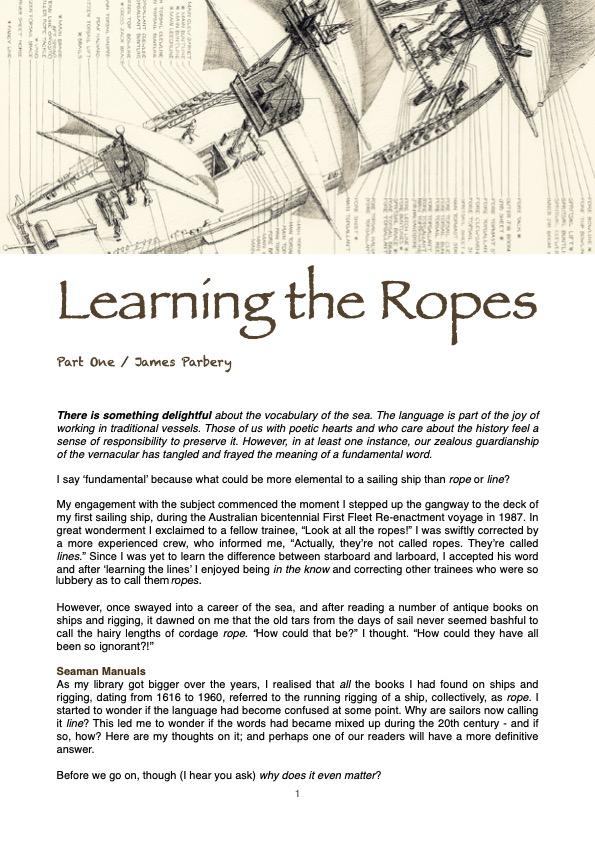
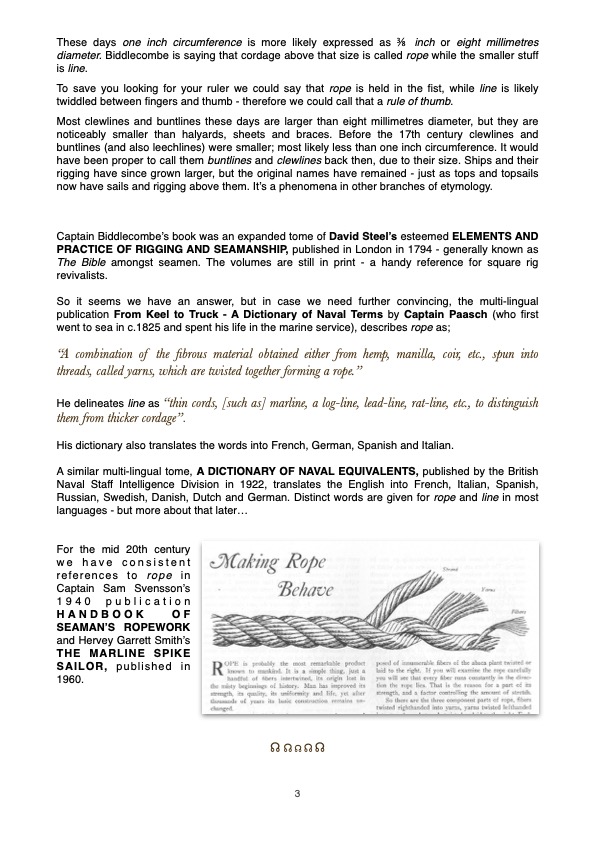
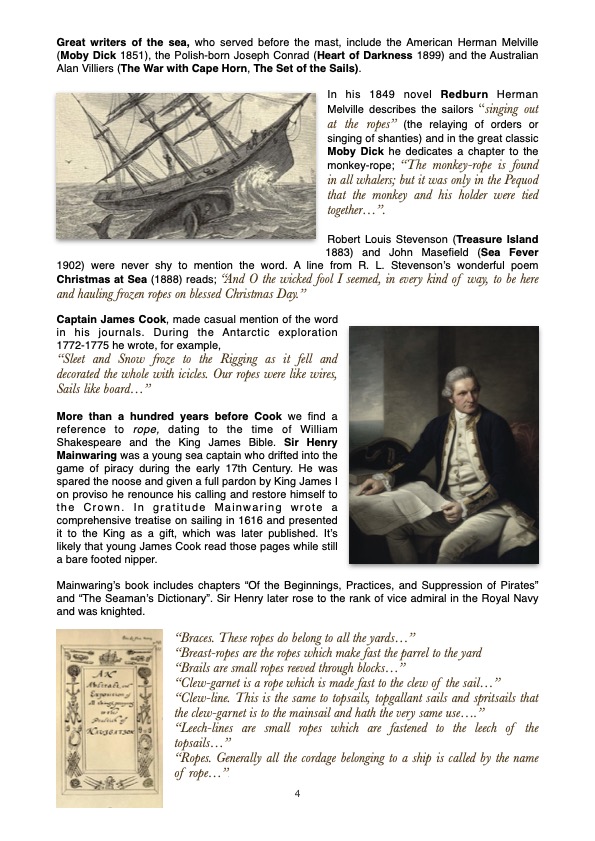
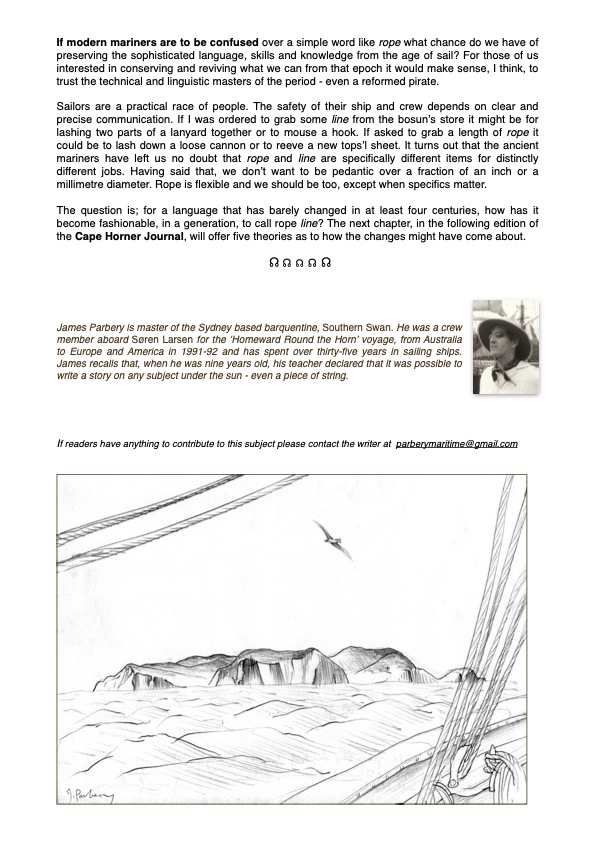
In Learning the Ropes, James Parbery investigates the changing meanings of rope and line, drawing on historic maritime manuals, naval dictionaries, seafaring literature and his own experience aboard traditional sailing vessels.
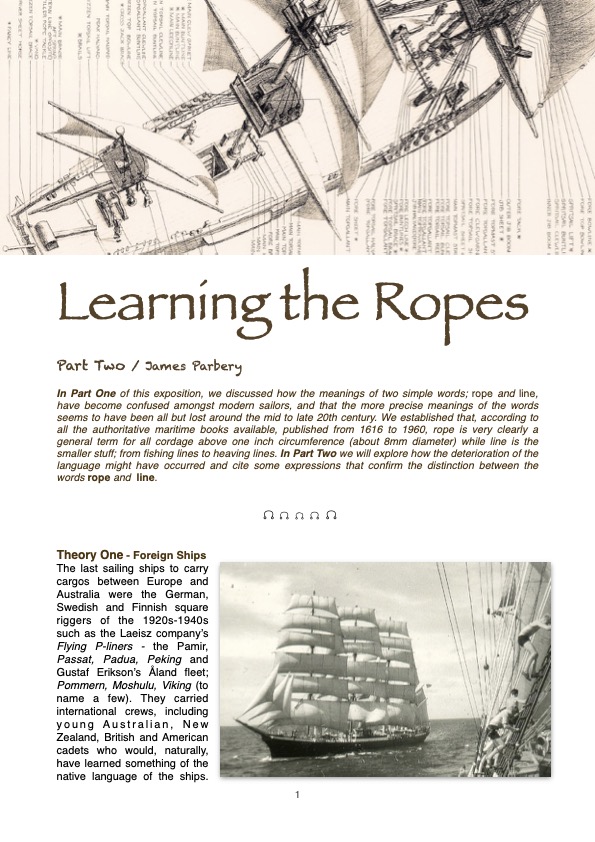
Across two parts, he explores how nautical terminology has evolved and why preserving its original meanings matters. These articles are an invitation to look beyond the words themselves and recognise the skills, experience and maritime traditions they help keep alive.
PART 1
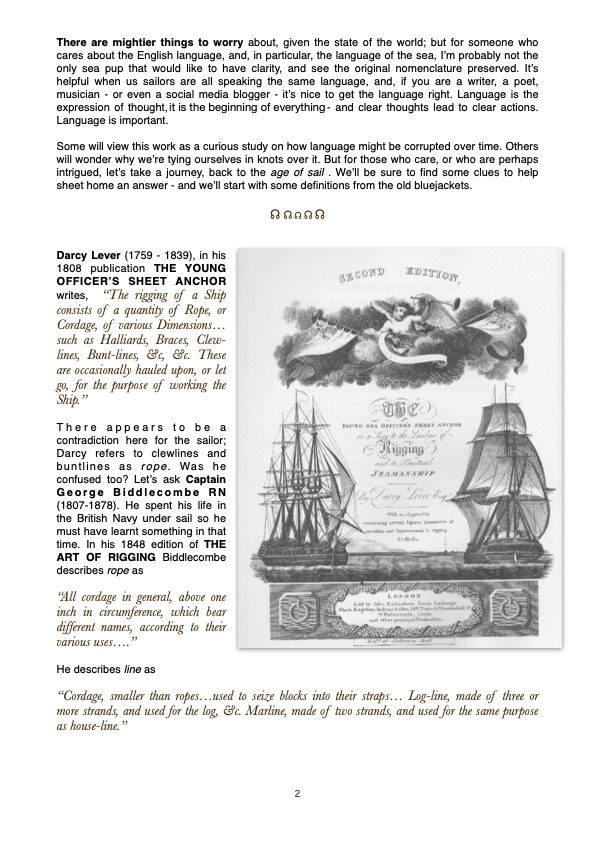
PART 2
PART 3 - BIBLIOGRAPHY